
Many homeowners in Winters worry about recurring mold issues after professional cleanup. Understanding the factors that drive regrowth is essential for long-term home health and peace of mind. At Winters Mold Removal, we focus on solving the root cause rather than just treating symptoms. This guide explains why mold might reappear and how to ensure your property remains safe, dry, and free from spores for years to come.
Why Mold Can Return After Treatment
Mold is an opportunistic organism that thrives in damp, organic environments. If the initial water source that fueled the original growth is not permanently resolved, spores will inevitably return. In the unique climate of Winters, CA, humidity levels and seasonal rains create ideal conditions for rapid regrowth if structural leaks remain unfixed. We often find that cleanup without moisture control fails because mold is a symptom of water intrusion, not the problem itself. Addressing the underlying hydrological issue is critical to preventing a cycle of repeated infestations within your home.
The Most Common Causes of Mold Recurrence
Even with expert mold remediation services, recurrence is common when ventilation is poor or insulation fails. Crawl spaces in our region often trap moisture against wooden beams, creating a hidden breeding ground. Additionally, failed HVAC systems can redistribute spores throughout the living areas, making localized cleaning ineffective. We frequently observe that homeowners neglect minor leaks in appliances or roofs, allowing microscopic water damage to persist unnoticed. Identifying these specific failure points is vital for breaking the cycle and ensuring a comprehensive long-term solution for your property.
How to Prevent Mold from Coming Back
Prevention requires a proactive approach to moisture management and indoor air quality. We recommend regular inspections of all water supply lines, roofing, and foundation drainage to catch leaks early. Maintaining indoor humidity levels between thirty and fifty percent using dehumidifiers can significantly reduce the risk of spore activation. In Winters, proper grading around the foundation ensures rainwater flows away from the structure, preventing seepage. Implementing these maintenance habits creates a hostile environment for mold, allowing your home to stay clean and healthy without constant intervention from remediation professionals.
Signs Your Previous Remediation Was Done Incorrectly
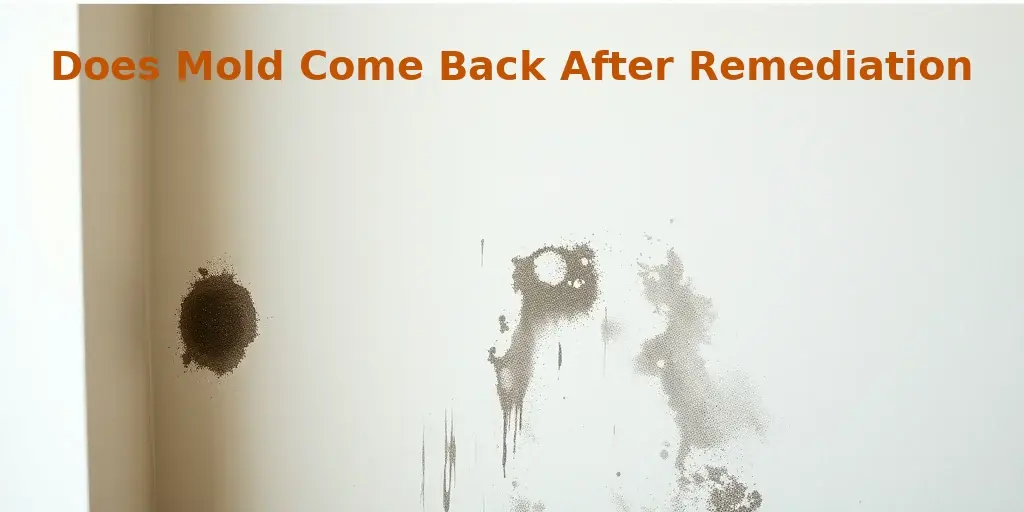
If you notice musty odors returning shortly after cleanup, it may indicate incomplete removal or inadequate containment during the process. Visible spotting on drywall or ceiling tiles near treated areas is another red flag that moisture sources were ignored. We advise clients to look for peeling paint or warped flooring as indicators of persistent dampness. These signs suggest that the previous treatment focused only on surface cleaning without addressing structural integrity. Recognizing these warning signs early allows us to conduct a thorough re-evaluation and apply the necessary corrective measures to secure a permanent fix.